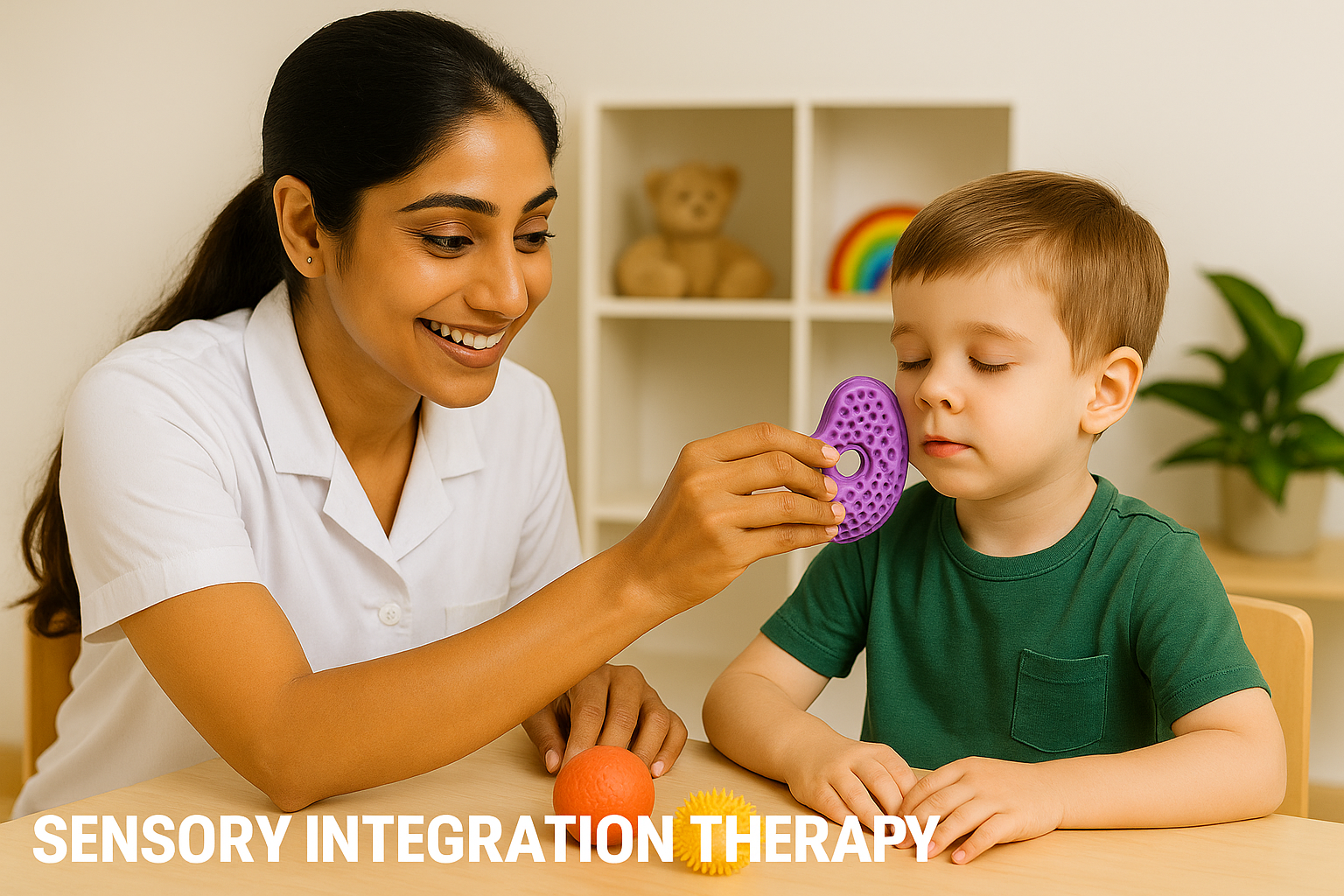
All kids move, jump, and fidget. But when the need for movement becomes frequent, intense, or disruptive, it may indicate sensory seeking rather than just “energy.” Sensory seekers often crave input through movement (vestibular), deep pressure (proprioception), or touch. These children might spin, crash into furniture, chew on non-food items, or swing endlessly.
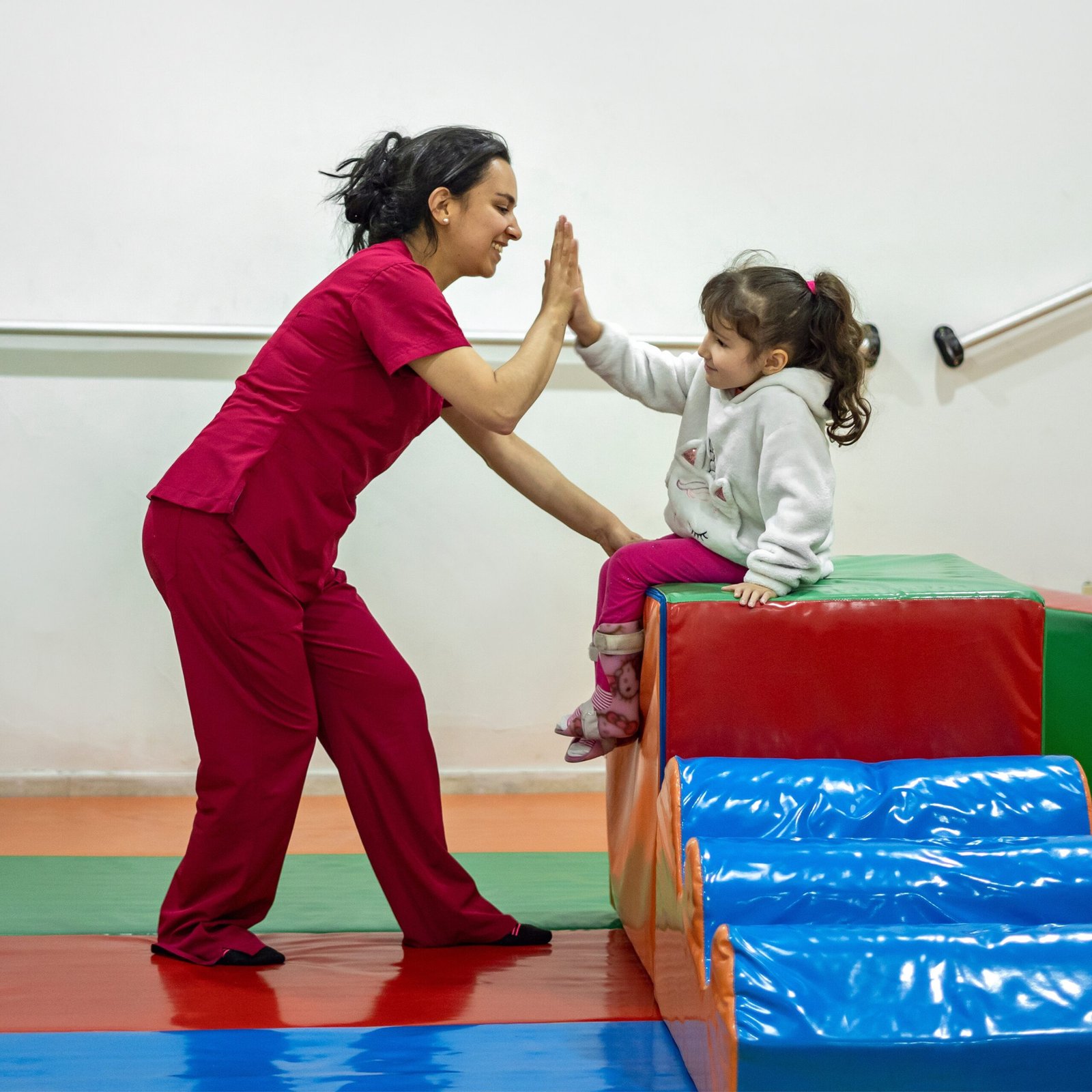
In Occupational therapy, we use tools like swings, weighted activities, obstacle courses, and deep pressure play to help the nervous system find balance. With the right input, these kids become more focused, calm, and organized—at home and in school.
If you’re unsure, don’t label—just label and explore.